
Your Leads Aren't the Problem.The First 60 Seconds Are.
For ADU specialists doing $500K+ a year. You pay Google for every call it sends you — whether anyone answers it or not. Homeowners don't call on your schedule. They call after work, on Saturday morning, after the kids are in bed: the hours your office is dark. And Google keeps track of how every one of those calls is handled when it decides whom to show next.
A good builder can lose a job without ever hearing about it. The homeowner calls, gets voicemail, and calls the next builder on the list. Miss enough of those calls, and Google starts showing the other builder first. QuikFlo closes that gap. Linda, our AI receptionist for contractors, answers every call live, day or night, in your company's name. Within minutes, you have the homeowner's answers and the recording of the call.
You paid for the call. Linda makes sure someone answers it.
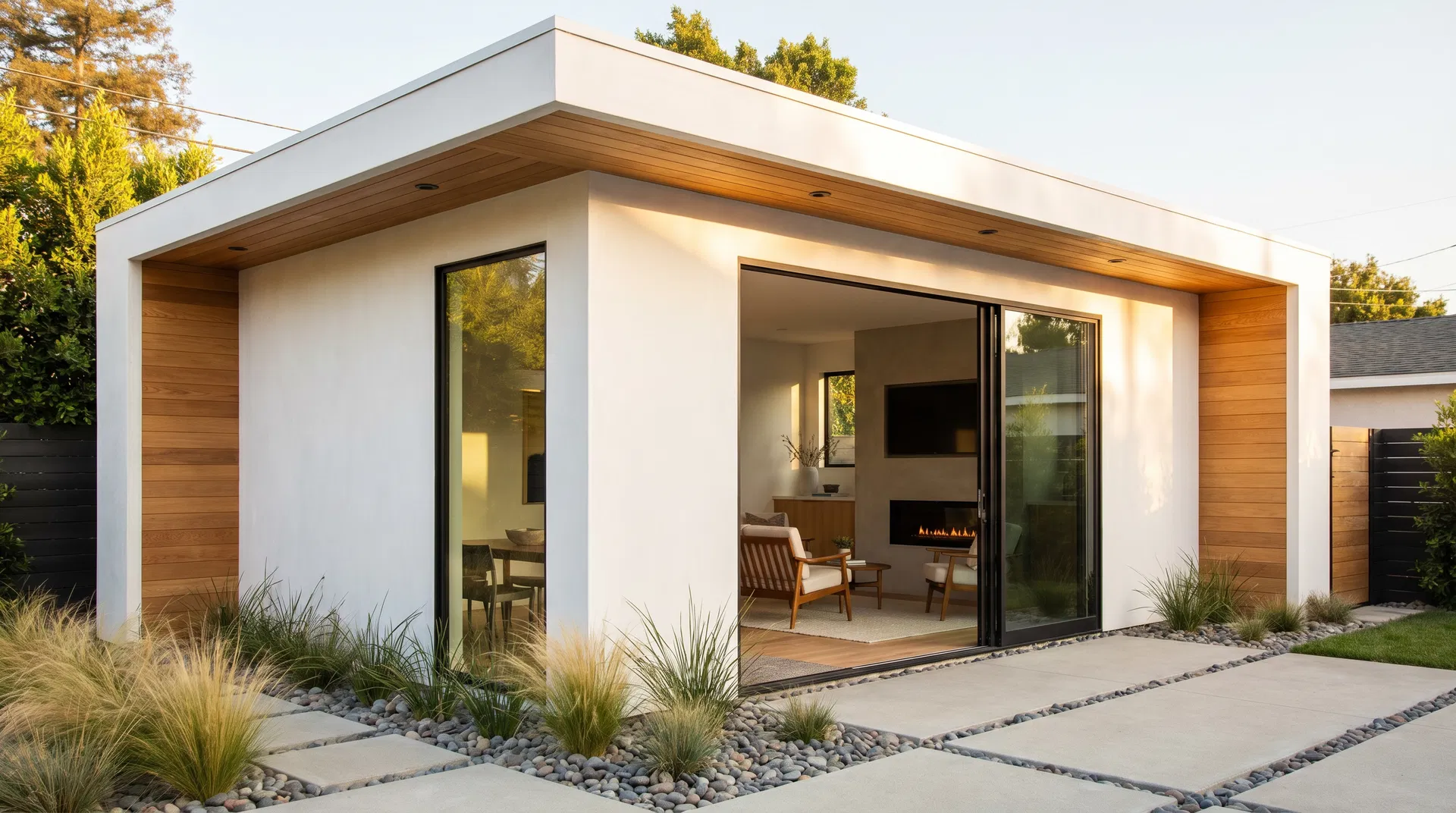
This Is What Answers Your Phone at 2am
This is genuinely new technology — voice AI that can carry a real conversation. Test it yourself, right now, before you commit to anything. No signup, no waiting — just call in as a prospective buyer and see what happens.
For your first 90 days, I personally listen to every call she takes for you and tune her to your business.
Before You Click Call
To get real value from this demo, play the role of a prospective ADU buyer. You're a homeowner exploring an ADU project: curious, but not sure where to start. The agent listens for real buying signals — scope, timeline, project goals.
This call is recorded, so you can listen back afterward and hear exactly how it performed.
Uses your microphone. Works right in this browser tab, no phone needed.
Every missed call
costs you three times.
A homeowner who is ready to talk about an ADU doesn't call one builder. They call the builders Google shows them, one after another, until someone picks up. If it isn't you, you lose the job before you ever knew it was there. Your work and your price never come into it.
On Google Local Services Ads, that same call costs you two more things. You paid for that call the moment it arrived, answered or not. And Google says how responsive you are to customers is one of the things that decides how often your ad is shown. The job, the fee, and some of tomorrow's ranking: that's what one unanswered call costs.
better odds of qualifying a lead when you reach them within 5 minutes instead of 301
more conversions when a lead is reached within the first minute2
1 Oldroyd, J.B. — "The Lead Response Management Study," MIT / InsideSales.com (2007). Measured sales leads across industries.
2 Velocify (Leads360) — "The Ultimate Contact Strategy" (2012), nearly 3.5 million leads from 400+ companies.
Meet Frank. An ADU Builder With an Impeccable Reputation Who Can't Always Answer the Phone.
Frank is an illustrative example, not a real builder or client.
Frank has been building ADUs for fifteen years. His work is first-rate. His past clients send him their neighbors. But his phone rings at 9 p.m., on Saturdays, while he's up on a roof, and nobody picks up.
He pays Google for every one of those calls. When nobody answers, the homeowner doesn't leave a message and wait. They call the next builder on the list.
Each of those calls could have been a $300,000 project. Frank never even got to bid.
Frank realized the problem isn't his work quality. The problem isn't his pricing. The problem is simple.
He's losing shots at jobs to competitors who respond faster.
Here's what that actually means.
At 9:47 p.m., a homeowner calls from Frank's Local Services Ad. Frank is at his kid's baseball game. The call goes to voicemail, and he sees it at 7 a.m. By then, the homeowner has talked to another builder, and Google has logged the missed call.
Nothing was wrong with his work or his price. He lost the job in the first sixty seconds, before he ever saw his phone light up.
This is the part Frank didn't know: Google is watching. Google says how responsive you are to customers is one of the things that decides how often your ad is shown. So it's not just tonight's job he's losing. It's tomorrow's ranking.
QuikFlo answers in the first 60 seconds. Every call. Every hour.
Frank's LSA number now forwards to Linda, a live voice agent: not a phone menu, not a “leave a message.” She answers in his company's name, asks the questions he would ask, and within minutes he has the homeowner's answers and the recording of the call. The 9:47 p.m. call gets answered at 9:47 p.m. And every call Google sees answered counts in his favor, not against him.
The math is simple. Frank can't win a job he never got to bid. Answer the call, and the $300,000 project is his to win or lose on his work and his price, where it should be.

Your Annual
Bid Opportunity
Set the sliders to match your calls and your typical contract. The number shows the work you could be missing the chance to bid on, because the homeowner reached someone else first.
Estimate based on your inputs. Reflects lost opportunities to bid, not guaranteed revenue.
These are jobs you never got to bid on. Linda makes sure you get the chance.
Where are your calls slipping away?
Seven questions. About ninety seconds. Your answers show where homeowners are most likely reaching someone else first.
When a new lead comes in, how long does it typically take before you respond?
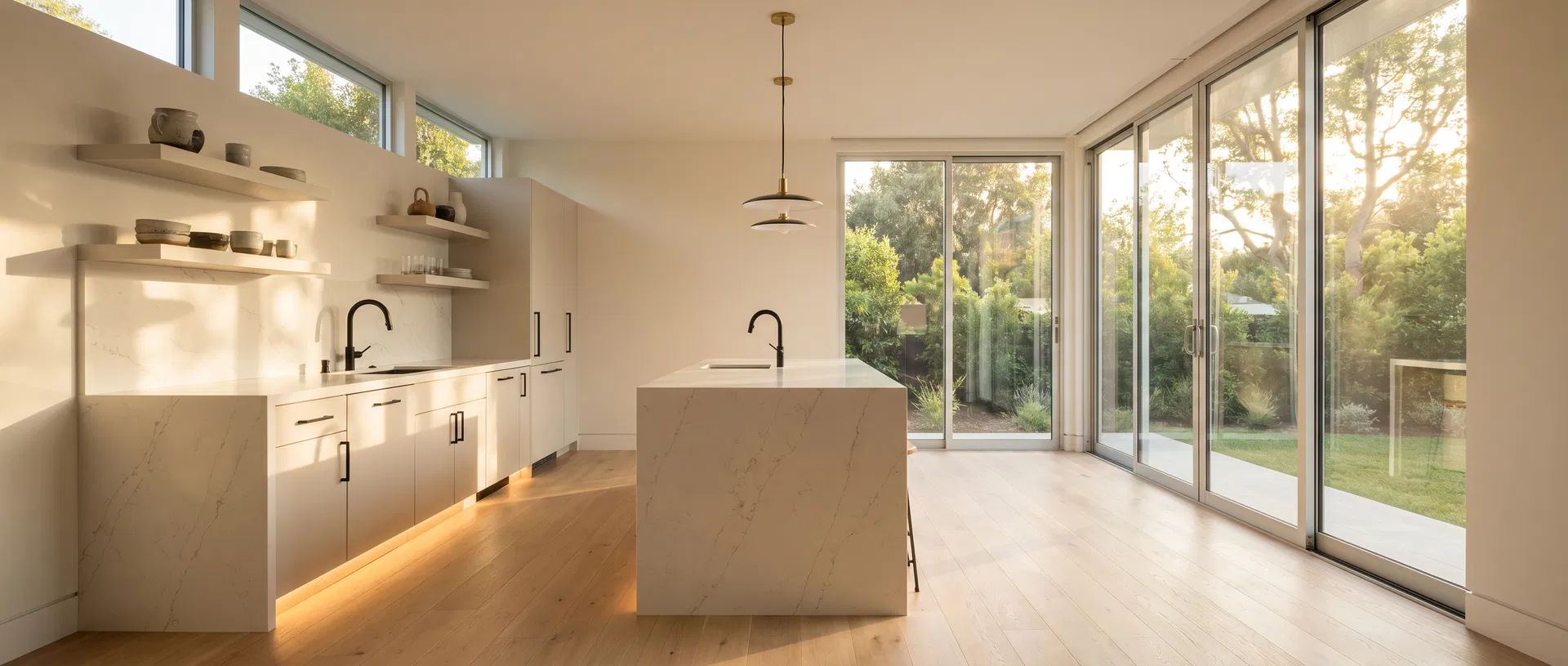
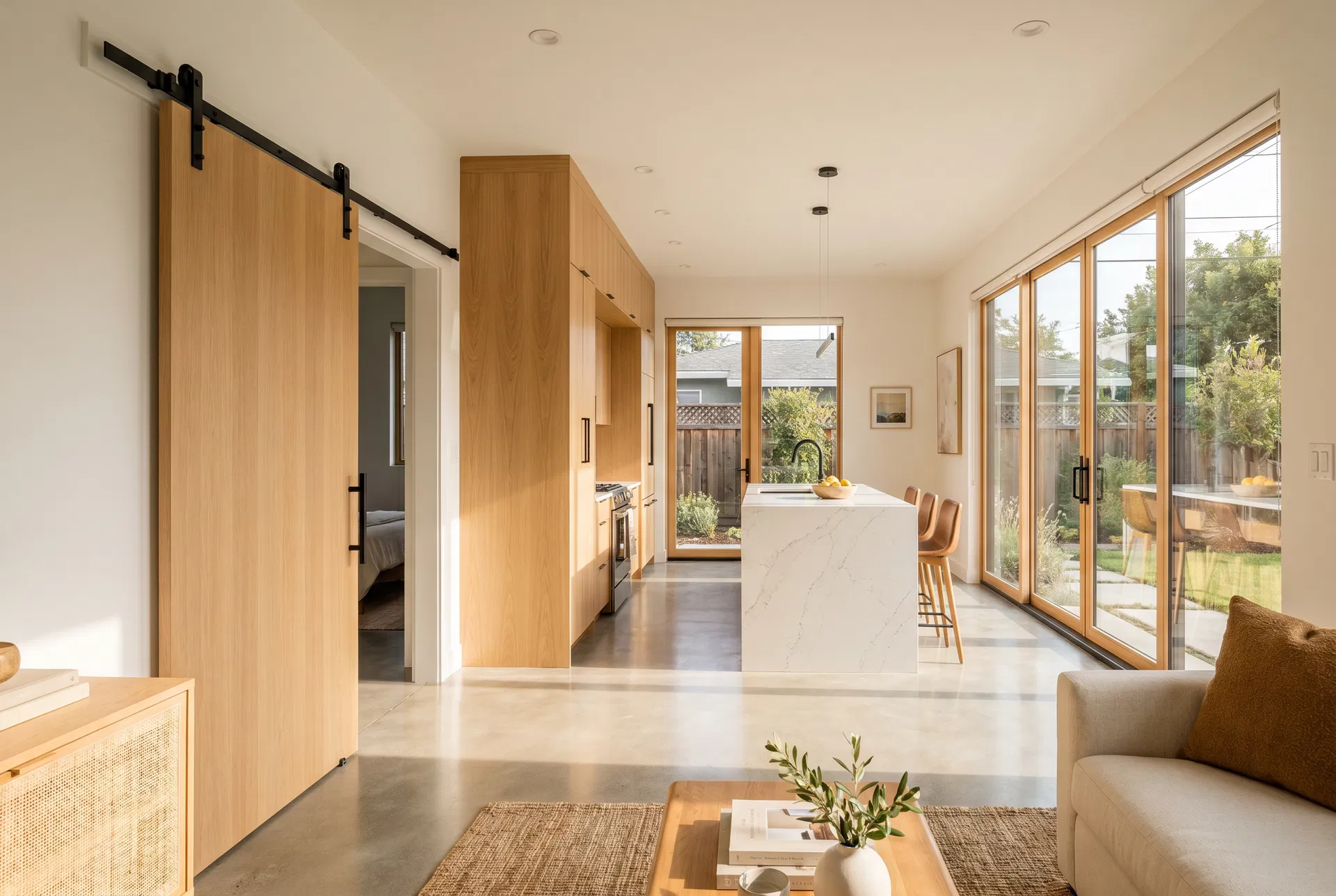
Studio ADU interior · Illustrative
I Know What a Missed Call Costs.
I Paid for It Myself.
Thirty years selling into the contractor industry: kitchens, cabinets, closets, custom builds. I started as an investment advisor at Wells Fargo, then spent three decades building and leading companies that serve the people who build things.
In all that time, one truth never changed: speed determines who gets the job. I watched exceptional contractors lose exceptional customers. It wasn't their work or their price. They missed the call or called back too late.
It happened to me. I once lost a $100,000-a-year account, a client I'd served for years, because I didn't call him back fast enough. He went with my competitor that same week. One slow callback undid years of work.
That gap between when a lead reaches out and when you respond is where revenue disappears. Close it, and you stay in the running for the jobs you paid Google to send you.
So I built QuikFlo: an AI receptionist named Linda who answers every call in seconds, day or night, and qualifies the lead before it goes cold. When you're ready to have Linda answer for your company, I'll personally welcome you and walk you through every step. It'll be my pleasure to guide you on board.

Brian Harnett
Founder, QuikFlo.ai
30 years in business & sales — contractor industry
For your first 90 days, I listen to every call Linda takes for you.
Software can answer a phone. It can't learn your business on its own. So for your first 90 days, I personally listen to every call Linda takes for you. When a homeowner asks something she doesn't handle well, I fix it. When she misses a buying signal, I fix that too. By the end, she sounds like she's worked at your company for years.
Every week, you get a short note from me: what came in, what I changed, and why I changed it.
— Brian
Week 3 — Your Company
23 calls answered. 4 hot leads, 7 warm.
What I changed: Linda now answers whether you build two-story ADUs, instead of putting the question off.
Why I changed it: Five homeowners asked this week, and two ended the call when she put it off. A straight answer keeps them talking.
Illustrative example, not a real client.
Linda answers. Linda qualifies. You close.
She picks up on the first ring, day or night, and asks what you'd ask: what they want to build, their budget, their timeline, and whether they own the property. Then she sends you the answers and the recording, so you walk into the consultation already knowing the project.
Precision Response
Answered Live, Every TimeThe moment a homeowner calls about an ADU, Linda picks up and holds a real conversation in your company's name. No voicemail. No delay. No missed opportunity. While your competitors are checking their phone, you're already in the conversation.
Your prospect never waits. They never wonder if you're serious. They experience the same responsiveness they'd expect from a firm building a $250k structure.
Intelligent Qualification
Know Who's Serious Before You Call BackNot every caller is a $250k project. Linda asks what an experienced ADU salesperson would ask: what they want to build, their budget range, their timeline, and whether they own the property.
You see who's ready to build and who's just looking before you pick up the phone. Your time goes to the homeowners who are ready to move forward.
Seamless Handoff
Fully Briefed, Within MinutesWithin minutes of every call, you get the homeowner's answers: project scope, budget range, timeline, property details, and the questions they asked. You also get the recording, so you can hear the call exactly as it happened. When you call back, you pick up where Linda left off.
No guessing. No 'remind me what you're looking for.' You walk into every consultation with the authority and context of a firm that's been paying attention since minute one.
The caliber of projects your firm builds deserves a response system of equal precision.
Questions builders ask before they hire Linda
Why good builders lose jobs they should have won
Usually because they answered first. A homeowner planning an ADU calls the builders Google shows them, one after another. The first builder who picks up and has a real conversation gets the consultation. The rest get a callback that comes too late. It has little to do with who builds better. QuikFlo answers every call on the first ring, day or night, so you're the builder who picked up.
On Google Local Services Ads, three things. The job, which on an ADU can run well into six figures. The lead fee, spent with nothing to show for it. And some of your ranking, because Google weighs how you answer when it decides which builders to show tomorrow's homeowners. A missed call at 9 p.m. on a Saturday can cost you all three. Linda answers that call.
Often it isn't a lead problem. It's an answering problem. Calls come in when you can't pick up: on a job site, in a client meeting, at dinner, on the weekend. By the time you call back, the homeowner has already talked to someone else. QuikFlo makes sure the calls you paid for reach a real conversation, and you get the homeowner's answers and the recording within minutes. Same ad spend. Fewer of those calls end in voicemail.
Without QuikFlo, they go to voicemail, and many homeowners won't leave one. They call the next builder on the list. Evenings and weekends are often when homeowners finally have time to plan an ADU, so those can be your best calls. Linda answers them in your company's name, asks your questions, and the answers are on your phone before you wake up.
You paid for the lead. Did anyone answer?
Answer 18 questions and I'll show you three things most ADU builders have never measured:
- 1. How many calls you're likely missing, and what that costs you in signed projects each year.
- 2. Where the gap opens up in the first minute after a lead reaches you, and who is winning that moment instead.
- 3. What closing the gap could be worth — we'll work out the dollar figure together on our call.
This isn't a contact form. It's for ADU builders who spend money on leads and want to know exactly how well they convert them. Every assessment is read by a real person, not a machine — and you'll get a call to walk through your numbers.
Start Your Business AssessmentHear who answers when you can't.